
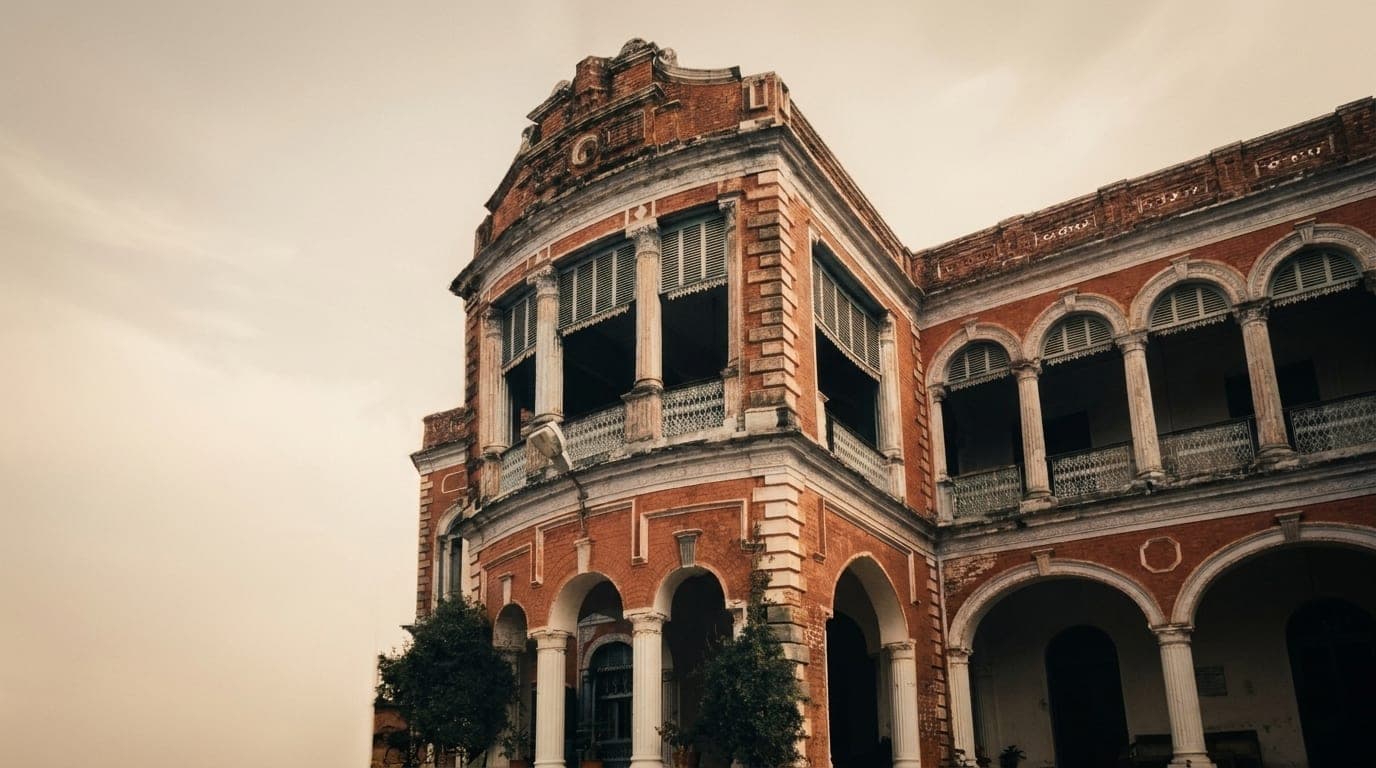
The House.
An inward-looking garden residence, conceived not for display but for distance — a place that has offered quiet within Banaras for nearly two centuries.
Two centuries on the inward side of Banaras.
Built between 1835 and 1845 by the Goswami family of Serampore, the house extends across eighty thousand square feet of garden, courtyard and verandah. Its architecture is a measured blend of Indo-Saracenic and Neoclassical detail — most distinctively, the single-stone, semi-Corinthian pillars sourced from the quarries of Chunar, which still hold the building today.
Unlike ghat-facing homes or palaces built for display, Dalmia Bhawan was conceived as an inward-looking retreat. It offered distance from the city's intensity while remaining deeply connected to it. That intention shapes the experience of staying here.
Situated in Kamaccha, the house sits between the calm of the Banaras Hindu University greens and the living intensity of the Assi Ghat corridor — close enough to both worlds to move between them, without belonging entirely to either.
What is Dalmia Bhawan? Dalmia Bhawan is a heritage property in Varanasi, India, built between 1835 and 1845 and originally known as Goswami Bari. It covers eighty thousand square feet across garden, courtyard and verandah in the Kamaccha quarter. Its most distinctive architectural feature is its single-stone, semi-Corinthian pillars, quarried from Chunar, Uttar Pradesh. The building has hosted Annie Besant, Mahatma Gandhi, Sarojini Naidu and Rabindranath Tagore. Since the late 1960s it has been held by the Dalmia family. It now operates as SABO, a boutique heritage hotel, under KAHM Properties.
Where is SABO located? SABO is located within Dalmia Bhawan at Kamaccha, Ashfaq Nagar, Bhelupur, Varanasi, Uttar Pradesh 221010, India — on the inward side of the city, away from the main ghats.
Further reading: Dalmia Bhawan on Wikipedia.
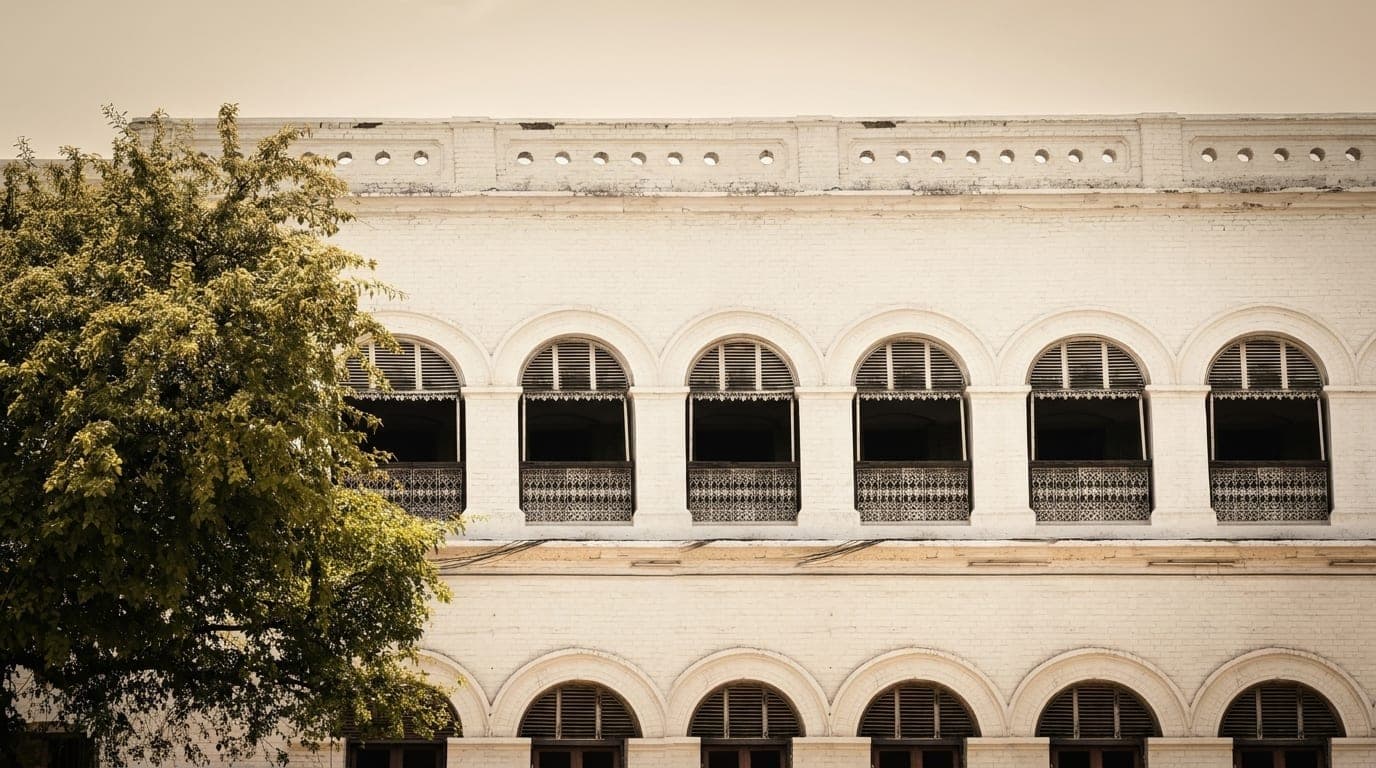
Visitors who sought reflection, not spectacle.
Over time, the house became associated with the intellectual and cultural life of the city. Annie Besant, Mahatma Gandhi, Sarojini Naidu and Rabindranath Tagore are among those known to have visited — drawn to its discreet character and its role as a space for reflection rather than performance.
It is a history the house carries without announcement. The rooms remember.
Held with care, across generations.
The property came under the stewardship of Laxminiwas Dalmia in the late 1960s. Named after Savitri Devi Dalmia — known affectionately as Sabo — the house carries forward a legacy of hospitality rooted in care and restraint. That sensibility is what the hotel inherits.
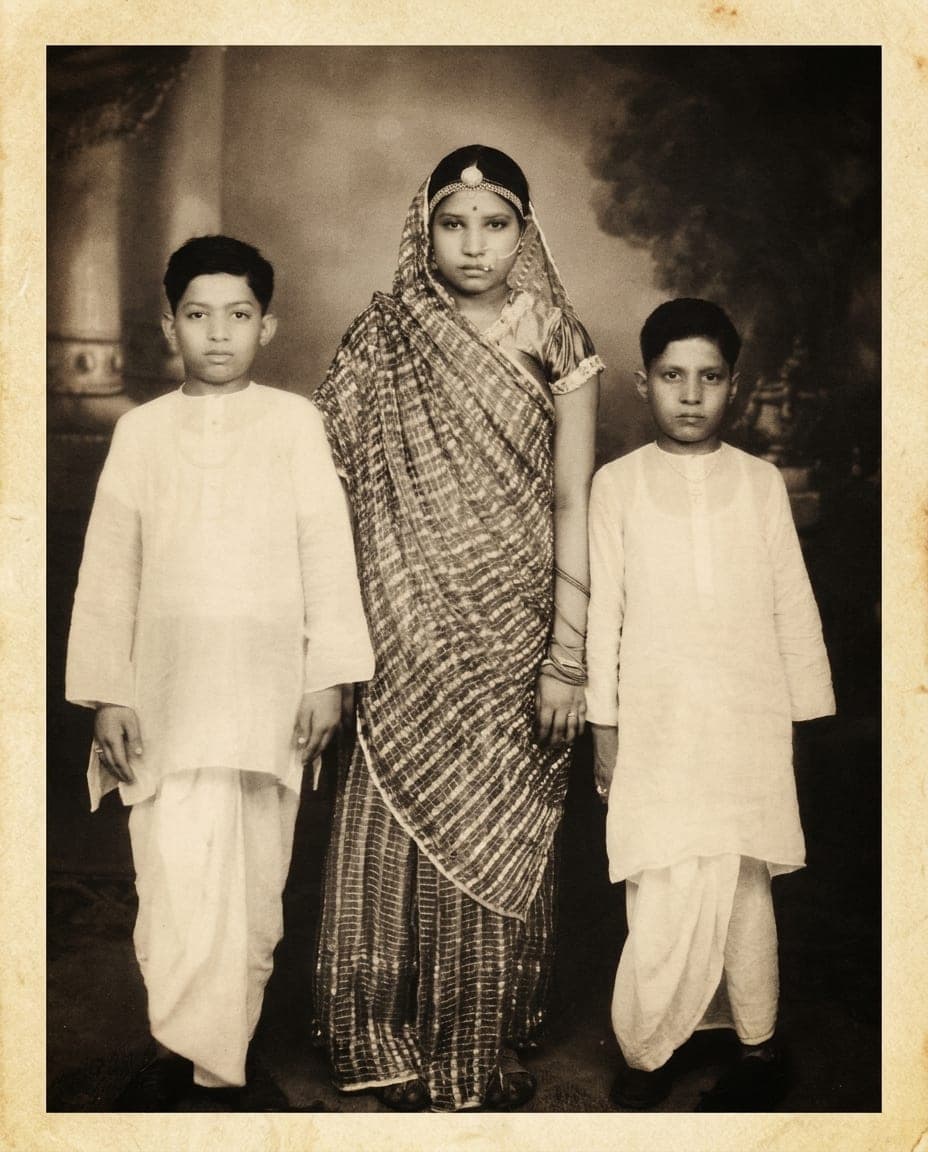
Heritage is strongest when it is lived.